Agave is Native to the deserts of Central America

Plentiful in the arid areas of Mexico, agave is considered to be one of the most useful plants on earth. For as long as man has travelled the deserts of Mesoamerica, the plant has provided food, drink, and medicine. It is most famous as the source of tequila, pulque, and mescal. Long fibers from the leaves of some species are the source of sisal hemp woven into hammocks, fishing nets, and baskets. The heads, with the leaves trimmed off, are roasted and eaten. The tall stalks are chopped into pieces and chewed like sugar cane and some species are used to make soap.

Agave
According to legend, the plant lives for hundreds of years before it flowers, which is why it acquired the name of Century Plant. In reality, the plants live no more than thirty years, but the fatal flowering can be spectacular. In some species, a shoot two stories high, will produce an enormous cluster of white or yellow flowers.
Unlike the Europeans at the time the Spanish conquest of the New World, the Aztecs and Maya were very skilled in wound healing. They used the agave sap, often with egg white, to bind powders and gums in pastes and poultices to be applied to wounds.
The Bandianus Manuscript of 1552 was the first herbal to list the plants of the New World, describing an Aztec treatment for diarrhea and dysentery. In it, agave juice, combined with freshly-ground corn and extract of bladderwort was given as an enema, using a syringe made from the bladder of a small animal and a hollow bone or reed.
The 18th century Spanish botanist, Luis NГ©e, was so impressed with the usefulness of the plant that, in his report to the crown, declared that Spain should not be without it. The plant was soon taken there, where it can still be found growing.

Agave Android application
The juice was often applied to cuts and knife wounds to ease the pain, but another unusal use was recorded. It was stated that a cowardly (or clever) man was about to be whipped for some crime and had coated his back with the juice in order to lessen the pain of the whip.

By alek3fr

Amargo – Cautions, Components, Description, Key Actions and Uses

Amargo is used in various countries for more or less the same thing, that is, to stimulate the appetite and promote digestion.
Homeopathic remedies are used for gallbladder complaints, as a bitter tonic, a purgarive and anthelmintic; but mainly, it supports and strengthens weakened digestive systems by increasing bile flow and the secretion of salivary juices and stomach acids. It is commonly used to stimulate a weakened appetite, especially in the treatment of anorexia.
The herb bitterness has also led to its being used as a treatment for malaria and other fevers.

Amargo

Amargo the most unusual use is to treat alcoholism.

Quassia chips are yellowish bits of wood commonly found in herbal supply stores in many parts of Latin America. They have two purposes. One is as an anthelmintic and frequently used for pinworms. The other is a stimulant to the digestion as they contain potent bitter principles.

Android application about herbs
In Mexico and Brazil, amargo is made into a decoction to be used for dyspepsia, as well as loss of appetite. Mexicans also use the bark to treat intestinal parasites.
In Costa Rica and Suriname, it is used for fevers, malaria, and dysentery.
In Brazil, it is used to treat gonorrhea, for lice and worm infestations, and as an antiseptic for wound treatments.
In Costa Rica and Brazil, it is used for diarrhea, dysentery, and intestinal gas. It is said that the indigenous carry around wood shavings of the bark to be used in decoctions whenever needed.
In Guyana, it is used for snake bites, liver disease, edema, and menstrual complaints.
In the Caribbean, it is given for dysentery. The bark has also been used in enemas to expel threadworms and other parasites.
The bark has been widely used as a febrifuge (fever reducer) and insecticide.
The plant is so bitter more so than quinine that extracts of it are used commercially in the production of bitters and other flavorings.
In Central America, the wood is used to construct clothing storage boxes to keep away moths.
A most unusual use is to treat alcoholism. By mixing an extract with sulfuric acid and other substances to produce a tonic, it is said to destroy the appetite for alcohol. This use is not recommended, however, because of the sulfuric acid.

By alek3fr
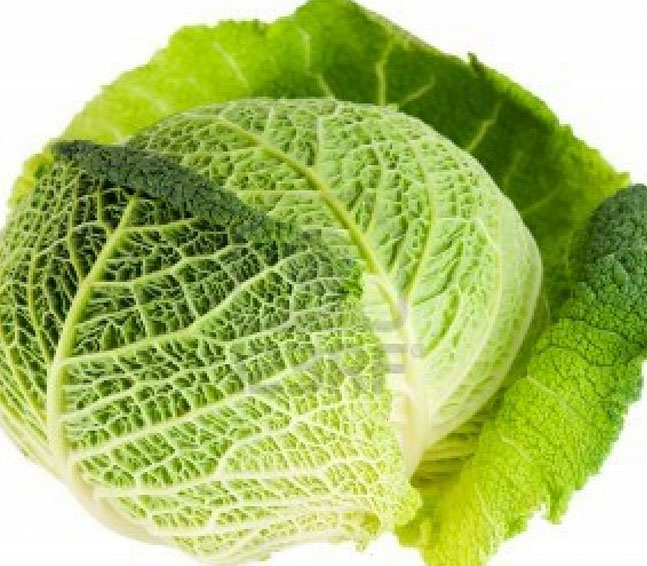
Cabbage

Cabbage – Cautions, Components, Description, Key Actions and Uses

As a tonic, cabbage has long been used to treat cirrhosis of the liver, as well as lethargy, irritability, and headaches, all symptoms associated with a sluggish liver. Because of its iron and chlorophyll content, it has long been used to treat anemia. Cabbage may help reduce blood sugar, so may be of benefit to diabetics. It is taken to treat anxiety, depression, insomnia, exhaustion.

Breastfeeding mothers use it to stimulate milk production.

In soups and teas, cabbage has long been used during colds, flu, sinusitis, and sore throats.

Cabbage has long been used to heal ulcers as it contains mucilage that coats the lining of the digestive tract, protecting it from irritants and excessive acid. It is recommended that two or three glasses of freshly extracted juice be taken between meals to relieve peptic ulcers, gastritis, heartburn, and ulcerative colitis.

It is used to stimulate the digestion and to relieve constipation. A traditional Russian cure for chronic constipation is one-half glass of salted cabbage juice taken before each meal. However, it can be just as effective without the salt.

Like other brassicas, cabbage also has the ability to help lower the risk of cancer, especially of the colon, and growth of polyps, which often are a prelude to cancer. When eaten raw, cabbage has been shown to help protect against the effects of radiation.

Cabbage

Cabbage – Cautions, Components, Description, Key Actions and Uses

Cabbage also appears to enhance the body’s ability to metabolize estrogen, helping to reduce susceptibility to breast, uterine, and ovarian cancers, if eaten regularly.

Externally, cabbage leaves have a soothing antiseptic and healing effect and the ability to draw out toxins from the skin. Cabbage poultices are also excellent for sore throats and hot, swollen joints. Lightly crush the leaves, blanch in boiling water, and wrap around the area. Leave on for two to four hours and renew, as necessary. Care is needed not to blister the skin.

Cautions

  • Cabbage, and all brassicas, should be avoided by those who have an overactive thyroid gland.
  • Sauerkraut is high in thyramine, which can trigger migraine headaches in some people.

Key Actions

  • anti-inflammatory
  • antibacterial
  • antirheumatic
  • heals tissues by encouraging cells to proliferate
  • a liver decongestant
  • protects the stomach from gastric hydrochloric acid

Key Components

  • vitamins and minerals (especially A, B, C, E, calcium, sulfur, silica, magnesium, iodine, iron, and phosphorus)
  • chlorophyll
  • mustard oils
Balsam Fir

Balsam Fir – Cautions, Components, Description, Key Actions and Uses

Barley water is usually used in drinks sometimes to heal stomach or digestive upsets or fevers and to soothe and  irritable bowels, dry coughs, diarrhea, cystits, or irritable bladders.

Barley water  is an excellent food for  infants, and the infirm. It is easily assimilated, and can be taken to clear stagnant mucous and soothe an inflamed digestive tract or urinary tract.

When given to babies, it helps with the digestion of milk, preventing the development of curds within the stomach.

It is commonly given to children suffering from minor infections or diarrhea, and is especially recommended for fevers.

Chinese research suggests that barley may be helpful in treating hepatitis. Since it is so easily digested, it would give the liver a much needed rest while making the easily digested nutrients available to strengthen the body.

Trials undertaken in the 1990s, suggest that barley may be helpful in controlling blood-sugar levels in diabetics.

Barley bran may have an effect in lowering cholesterol and in preventing bowel cancer.

Balsam Fir

Balsam Fir – Cautions, Components, Description, Key Actions and Uses

Six-rowed barley is used in Chinese herbal medicine to strengthen digestion. It is also thought to reduce breast-milk production, helpful during weaning.

Strong barley water soothes sore throats and makes an excellent wash for raw, itchy skin. Barley water is made by soaking the grain for several hours or left after cooking. It is high in starches and soluble fiber.

Barley grass, a popular ingredient in juice supplements, is rich in cholorophyll and antioxidants. German researchers have also found that sprouted barley seed contains alkaloids that may have some therapeutic value.

Made into a poultice, barley is helpful in soothing and reducing inflammation in sores and swellings. Barley poultices are used to draw the poison out of boils, abscesses, stings, and bites, as well as to clear up weeping eczema.

To Make a Barley Poultice: Use a coffee or seed grinder to make a fine powder from flaked barley. Add sufficient water to make a paste. Wrap in a piece of clean cloth or a paper towel, and apply either hot or cold. A hot poultice will ease stiff and painful joints and draw poisons from abscesses and infected cuts. A cold poultice will relieve swellings. Adding herbs in equal amounts will give added benefits: chamomile for any deep pain and stomach aches; sage for aching joints; onion for boils, abscesses, and infected cuts. Adding honey is suitable for weeping eczema and other itchy skin conditions.

Key Components

  • proteins
  • sugars
  • starch
  • fats
  • B vitamins
  • alkaloids (hordenine and gramine in young seedlings)

Key Actions

  • clears mucus
  • demulcent
  • nutritive
Acacia

Acacia – Cautions, Components, Description, Key Actions and Uses

Acacia flowers, leaves are used to fight worms, to stop bleeding and heal wounds, and to stop the coughing up of blood.

Acacia can be applied to inflamed tissue and burns so it can help to heal and the knitting together of the tissues.

Black Catechu is used internally for chronic catarrh of the mucous membranes, dysentery, and bleeding. In Chinese medicine acacia is used for poorly healing ulcers, weeping skin diseases, oral ulcers with bleeding, and traumatic injuries. A small piece of cutch can be dissolved in the mouth to stop bleeding gums or heal canker sores. In Ayurvedic medicine, decoctions of the bark and heartwood are used for sore throats.

Acacia - Cautions, Components, Description, Key Actions and Uses

The tannin content also helps in the treatment of mouth ulcers and throat inflammations. Its astringency helps check the growth of oral bacteria while soothing the delicate tissues that line the oral cavity.

Key Actions
  • anthelmintic
  • antibacterial
  • anticatarrhal
  • antifungal
  • anti-inflammatory
  • antimalarial
  • antimicrobial
  • antiseptic
  • astringent
  • diuretic
  • hemostatic
  • mucilaginous (roots and gum)
  • sedative (flowers and leaves)
Key Components
  • tannins ((25-60%)
  • mucilage (20-30%)
  • flavonoids
  • resins
Remedies
  • lotions for bleeding gums
  • gargles for sore throats
  • wash for eczema and wounds
  • eyewash for conjunctivitis
  • douche for excessive vaginal discharge
  • enemas for hemorrhoids
  • decoctions for diarrhea
  • mouthwash for gum disease and oral inflammations